What to Eat on GLP-1 Drugs: A Practical Guide to Eating Well While on Semaglutide or Tirzepatide
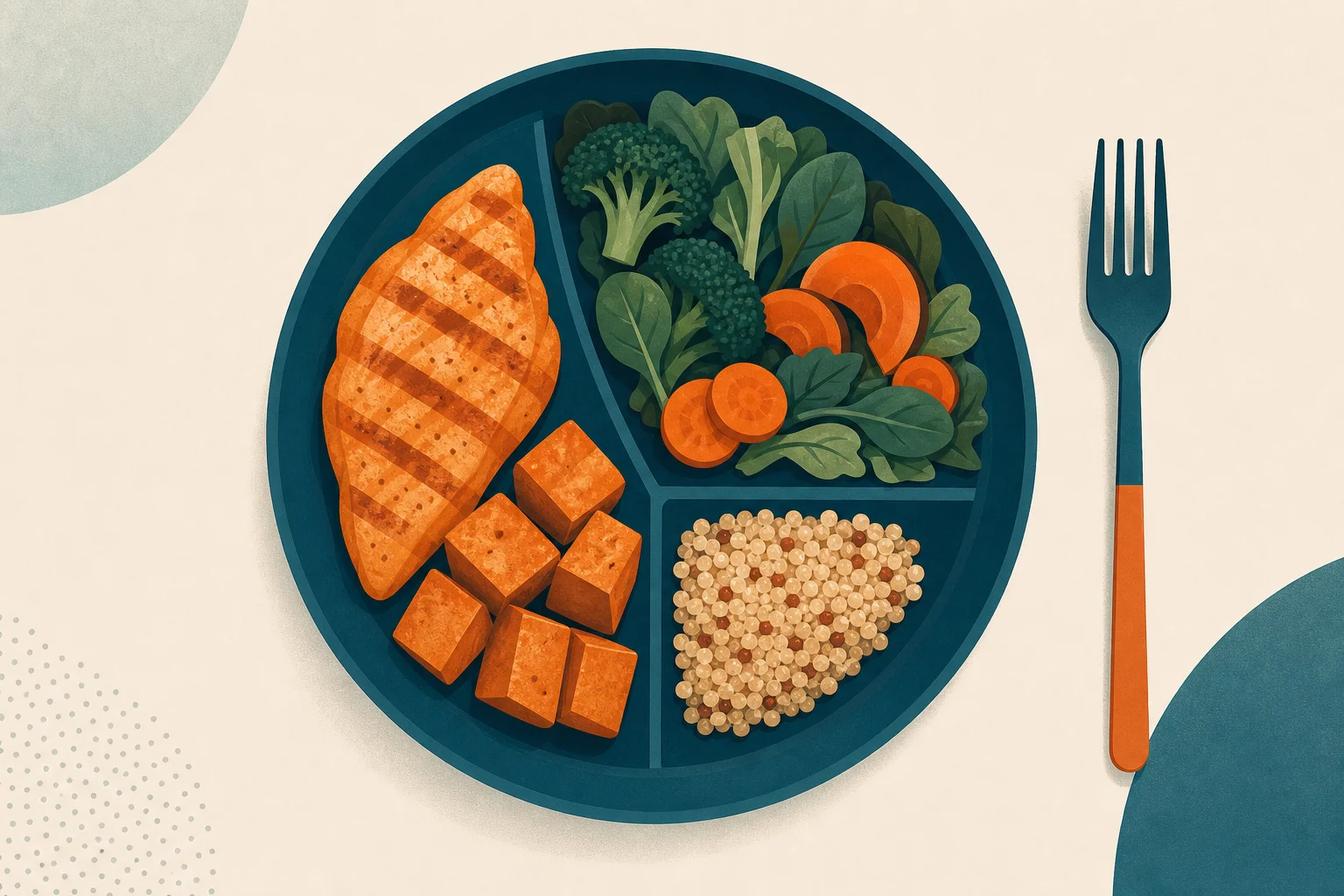
GLP-1 drugs do the appetite-management work. They do not do the nutritional optimisation work. For patients who were previously eating 2,500–3,000 calories per day and are now comfortably eating 1,200–1,500 calories, every eating occasion carries more nutritional weight.
This article awaits RDN and MD reviewer signoff before publication.
The core nutritional challenge on GLP-1 therapy
The appetite suppression from GLP-1 therapy is powerful enough that patients often notice they simply are not hungry — and therefore do not eat what they previously would. The clinical concern is not that they are eating fewer calories (that is the therapeutic goal), but that the reduction in food volume might not be accompanied by adequate intake of protein, micronutrients, and fibre.
Two specific nutritional risks on GLP-1 therapy:
1. Inadequate protein: GLP-1-assisted weight loss includes lean mass — approximately 30–40% of total weight lost is lean mass in published trial data. Adequate protein intake is the most important dietary intervention to reduce that fraction. Patients who are not deliberately maintaining protein intake while eating less overall are at higher risk for lean-mass loss.
2. Micronutrient gaps: Eating less overall means fewer opportunities to consume vitamins, minerals, and trace elements. This is not a theoretical concern — it is the same reason bariatric surgery patients require lifelong supplementation. GLP-1 therapy does not produce the same drastic restriction as bariatric surgery, but the principle holds: more nutrition per eating occasion is needed.
Protein: the priority macronutrient
Target: 1.2–1.6 g/kg of body weight per day, in 20–40 g portions spread across meals
Why this range: This is the evidence-based target from weight-loss medicine for preserving lean mass during caloric deficit. Higher protein intake reduces muscle protein breakdown and supports muscle protein synthesis signals, particularly when combined with resistance training.
Practical protein sources for patients eating smaller volumes:
High protein density (protein per calorie):
- Lean chicken, turkey, fish, shellfish
- Eggs (whole or whites)
- Greek yoghurt, cottage cheese
- Low-fat dairy
- Legumes (lentils, chickpeas, edamame — also provide fibre)
- Protein supplements (whey, casein, plant-based) — for patients struggling to hit targets from whole food
Lower protein density (more calories for similar protein):
- Fatty meats, processed meats
- Nuts (more calorie-dense; useful but not protein-first foods at limited eating volume)
Foods that tend to worsen GI side effects
High-fat, fried, and greasy foods: The highest-risk category for nausea and reflux. GLP-1 already slows gastric emptying; high-fat foods slow it further and stimulate more gastric acid production. Full-fat fast food, deep-fried items, heavy cream sauces — these are the foods most consistently reported to trigger GI distress.
Very large portions: The stomach's slower emptying means normal meal volumes can feel uncomfortably full. Smaller portions are better tolerated regardless of food type.
Heavily spiced foods: Capsaicin and other irritants directly stimulate gastric mucosa that is already sensitised by GLP-1 agonism.
Alcohol: Independently interacts with GLP-1 therapy and with hypoglycaemia risk in T2D patients. See the alcohol guide for specific detail.
Foods that tend to be well-tolerated
During periods of higher GI sensitivity (each dose step up):
- Plain crackers, dry toast, plain rice
- Bananas, boiled potato, plain sweet potato
- Low-fat yoghurt, plain eggs
- Clear broths and soups
- Plain oats
These are not permanent dietary requirements — they are easier-tolerance options during the adaptation window at each dose step.
Eating structure that works with GLP-1 therapy
Smaller, more frequent meals: 4–5 small meals rather than 3 large ones. The stomach empties more slowly; smaller volumes are processed more comfortably.
Protein-first eating pattern: At each meal, eat the protein-dense food first. This maximises protein intake in the reduced eating volume before satiety signals terminate the meal.
Planned eating rather than hunger-based eating: GLP-1 therapy can suppress hunger to the point where patients skip meals entirely. This reduces total protein and nutrient intake further. Eating on a schedule (rather than waiting for hunger) helps maintain nutritional adequacy when hunger signals are diminished.
Hydration separately from meals: Drinking large volumes with meals can accelerate satiety and reduce food intake. Hydrating between meals rather than primarily with meals can help maintain both food intake and fluid intake goals.
Supplementation considerations
No supplements are universally required by the prescribing labels for GLP-1 therapy. However, patients who are eating significantly less than before starting may benefit from reviewing:
Multivitamin: General insurance for micronutrient gaps during restricted intake.
Vitamin D and calcium: Often under-consumed during weight-loss phases, important for bone health.
Iron: Particularly for premenopausal women; ferritin below 30 ng/mL contributes to fatigue and to telogen effluvium (hair shedding).
Magnesium: Frequently insufficient in restricted diets; contributes to fatigue and constipation.
Discuss specific supplementation with your prescriber or a registered dietitian — supplementation needs are individual and depend on diet, labs, and medical history.
Editorial note: This article awaits RDN and MD reviewer signoff. Dietary guidance for patients on GLP-1 therapy should be individualised based on caloric intake, comorbidities, and metabolic goals. A registered dietitian with weight-loss experience is the most qualified clinician to provide personalised dietary guidance.
Frequently asked questions
Are there foods you should not eat on Ozempic or Wegovy?
No absolute food prohibitions appear in the GLP-1 prescribing labels. High-fat and heavily spiced foods are the most common GI trigger foods — they worsen nausea, reflux, and bloating — but they are not medically forbidden. Avoiding them reduces side effect burden. Alcohol interacts with GLP-1 therapy in specific ways; see the alcohol guide for that. This page awaits RDN and MD reviewer signoff.
How much protein should I eat on GLP-1 therapy?
Clinical guidance for protein intake during GLP-1-assisted weight loss is 1.2–1.6 grams per kilogram of body weight per day, distributed across meals at 20–40 grams per eating occasion. This range aims to reduce lean-mass loss during the weight-loss phase. Patients eating substantially less than usual need to prioritise protein-dense foods to hit this target in fewer eating occasions.
Can I still eat carbohydrates on GLP-1 therapy?
Yes. GLP-1 drugs are not ketogenic or low-carb prescriptions. The priority is overall nutritional adequacy at reduced eating volume — protein first, then micronutrient-dense foods, then other macronutrients. Very high-carbohydrate meals (particularly simple carbohydrates) may be less well tolerated in the early phases of treatment due to blood sugar fluctuations and GI sensitivity, but carbohydrates are not contraindicated.